


Destination
Tanzania
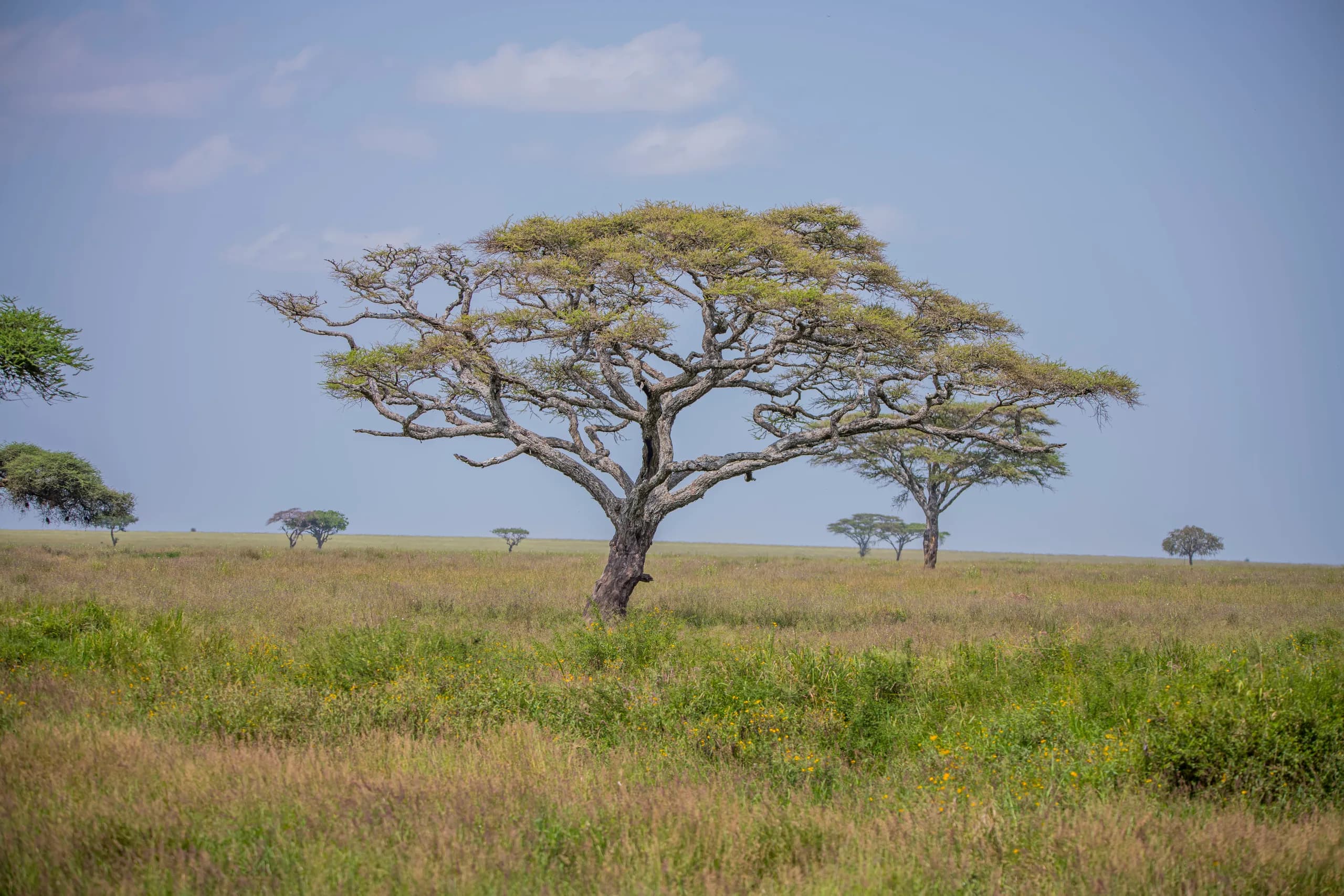
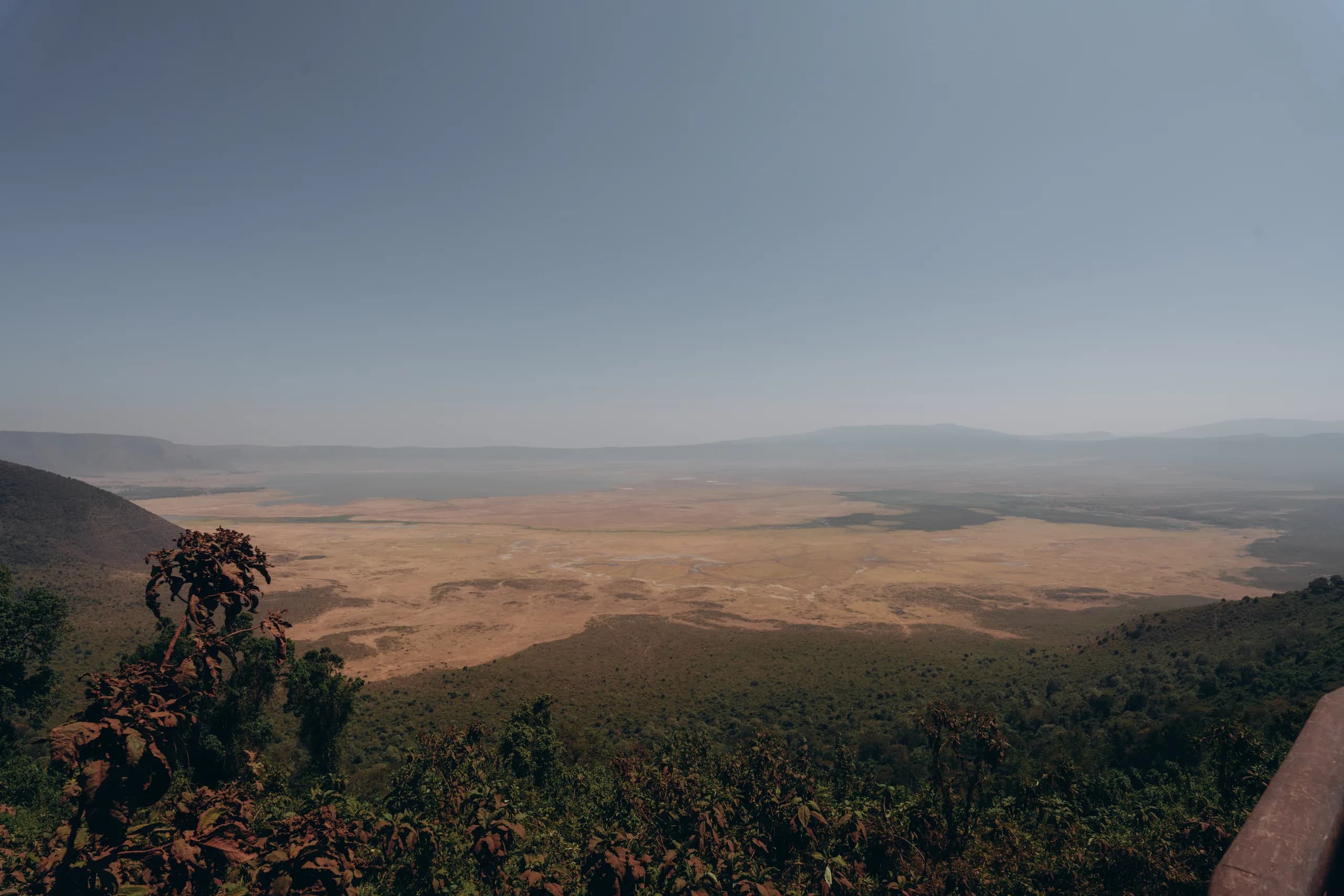
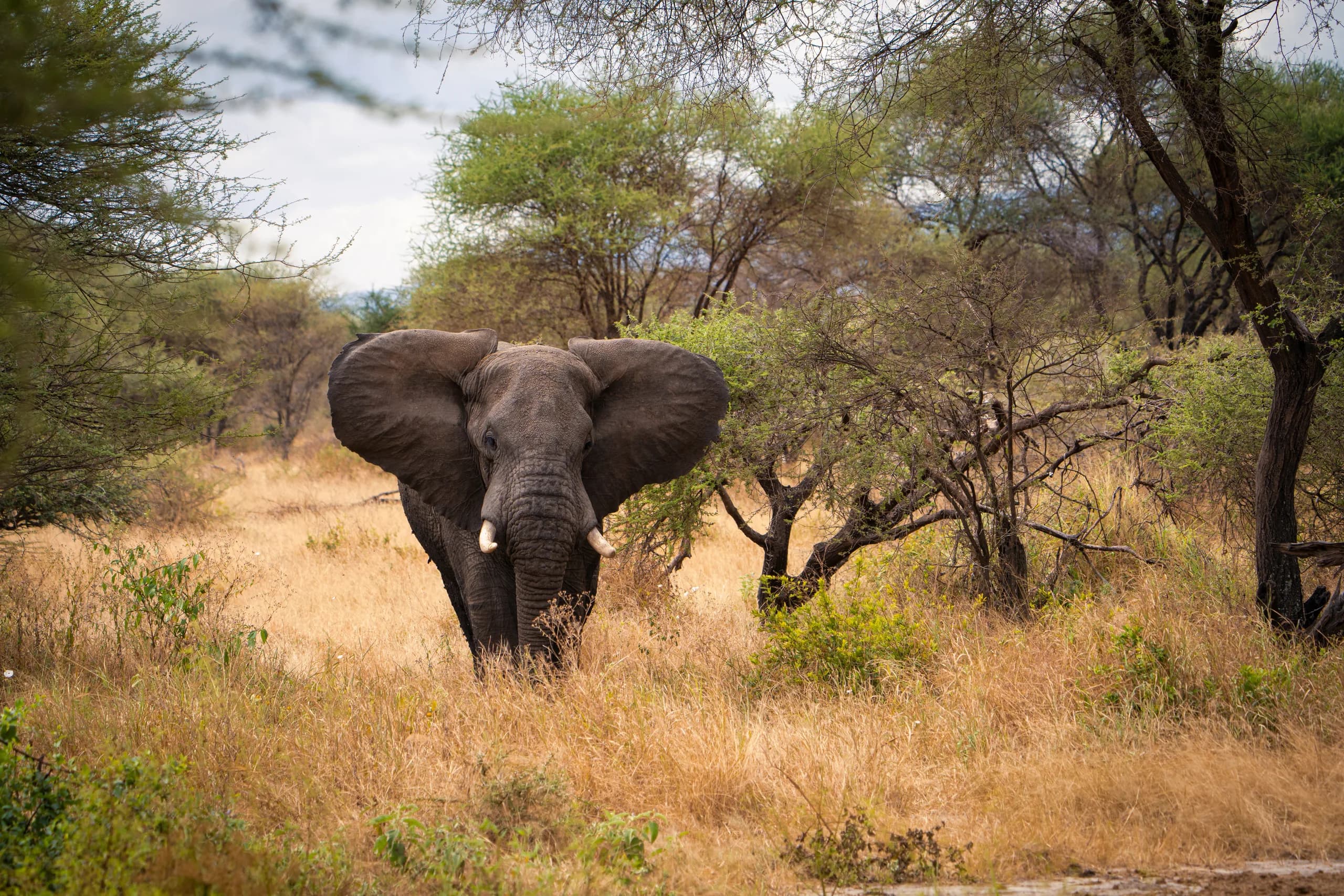
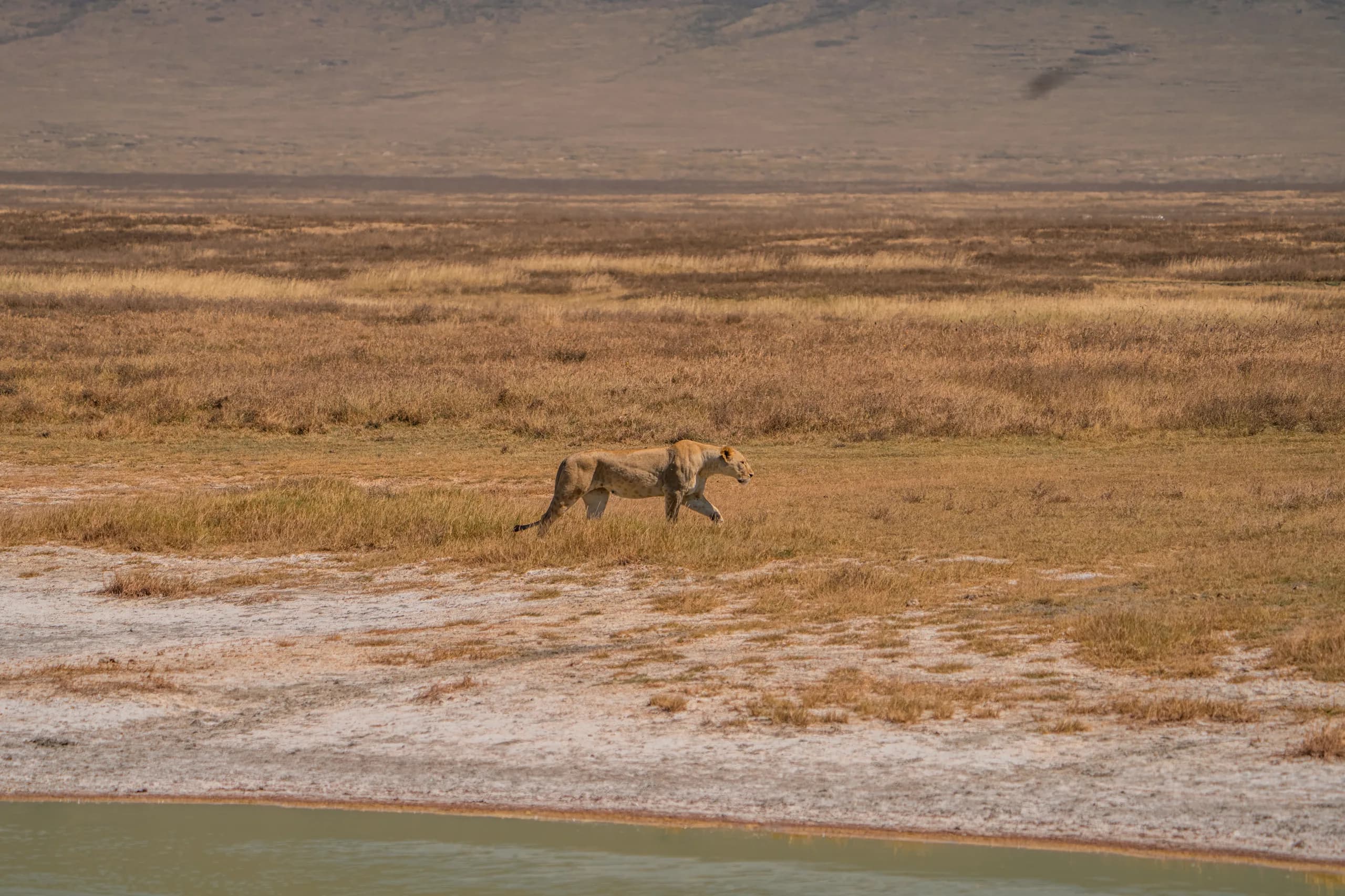
Four of Africa's best-known parks within a day's drive of one another, a mountain you can walk up, and an island to finish on. This is home, and the country we know in the most detail.
Where to go
Six places worth the drive
When to travel
There is no bad month, only trade-offs
The dry season concentrates animals at water and fills the camps. The green season empties the parks of vehicles, drops prices by a third, and asks you to accept afternoon rain.
If a month does not suit what you want to see, we will tell you before you book rather than after.
Jan – Mar
Short dry, calving season
Warm and clear. Two hundred thousand wildebeest calves born in Ndutu inside three weeks, with every predator in the ecosystem in attendance.
Apr – May
Long rains
Afternoon downpours, deep green, some camps closed. Rates fall by a third and you may not see another vehicle all day.
Jun – Oct
Long dry, peak season
The classic safari months. Animals concentrate on shrinking water, the migration reaches the Mara River, and camps book out a year ahead.
Nov – Dec
Short rains
Brief showers, mostly at night. The herds move back south, the plains recover, and there is real value in early December.
Tanzania itineraries
All tours
Practical
Before you fly
Getting there
Kilimanjaro International (JRO) is the useful airport for the northern circuit. Dar es Salaam suits the south and the coast.
Visas
Most nationalities pay $50 on arrival, or apply online in advance. US passports are $100 and multiple entry.
Health
Yellow fever certificate if arriving from an endemic country. Malaria prophylaxis is advised for all safari areas.
Money
US dollars are widely accepted; notes must be 2009 or newer. Camps take card, park gates do not.
What to pack
Neutral layers, a warm fleece for crater mornings, a hat, and soft luggage under 15kg if you are flying internally.
Connectivity
Most camps have Wi-Fi in the main area and none in the tents, which is generally the right arrangement.