


Tanzania · National Park
Tarangire National Park
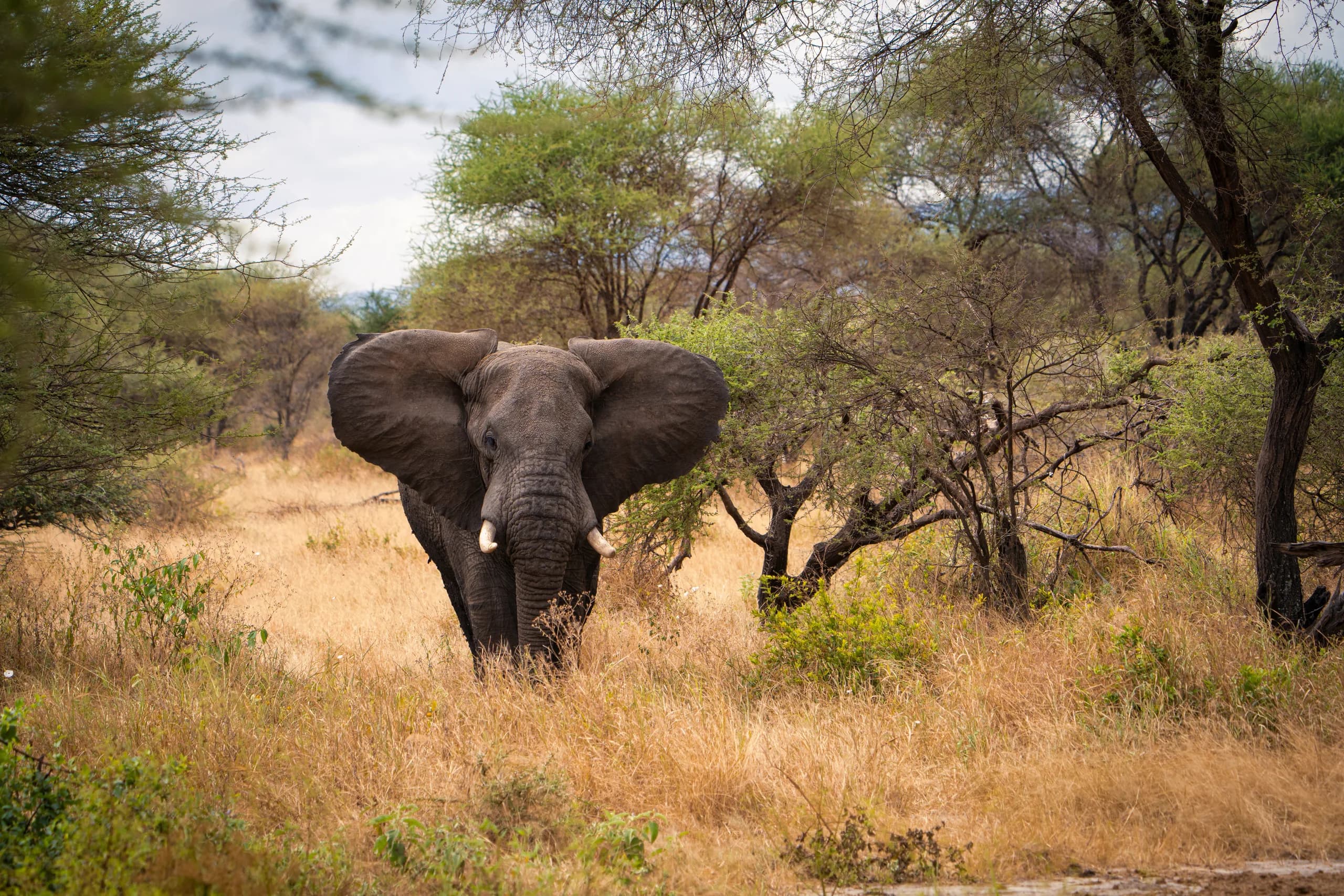
Elephant country: herds of a hundred or more gather along the Tarangire River through the dry months, under some of the oldest baobabs on the northern circuit.
Overview
What Tarangire National Park is actually like
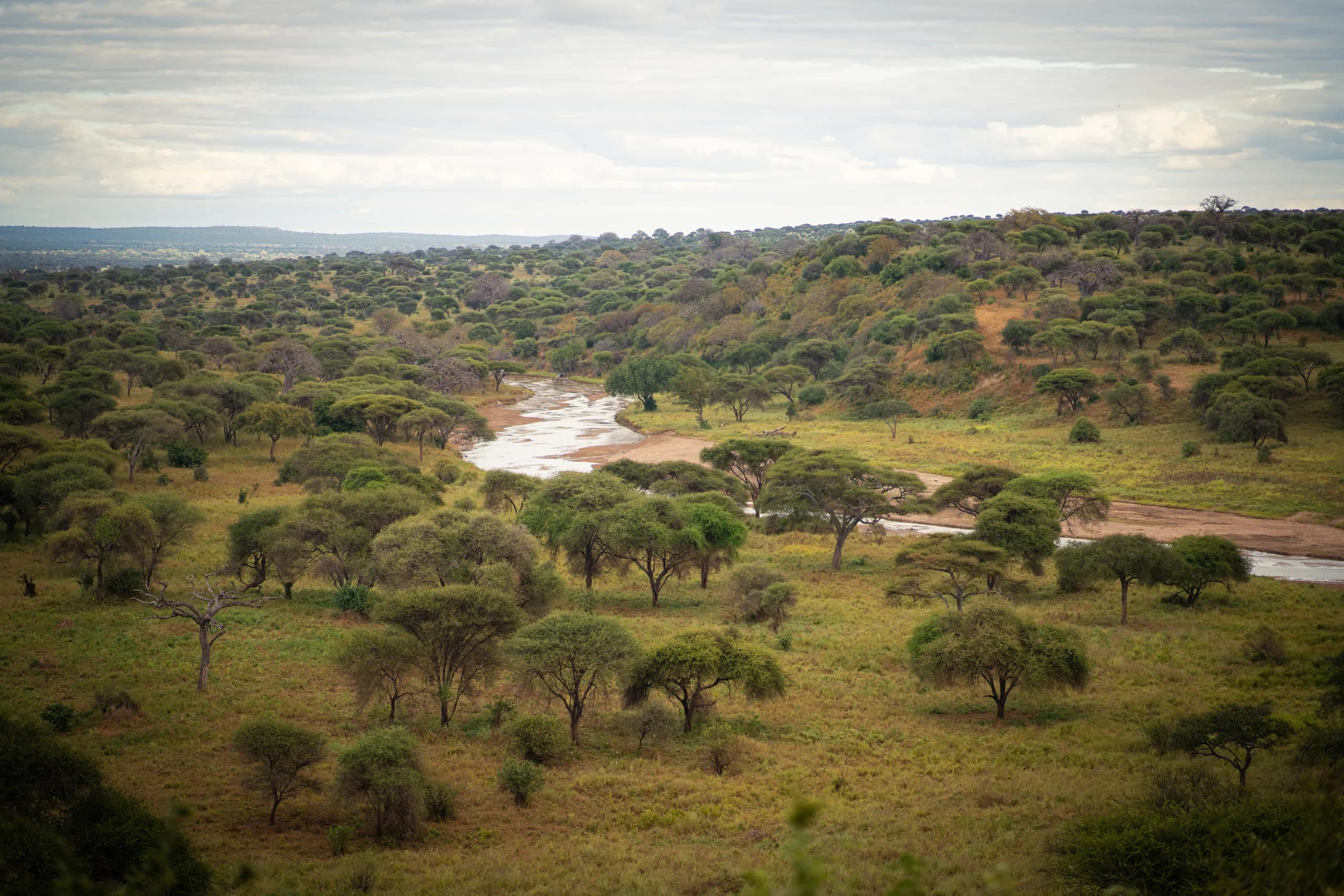
Tarangire takes its name from the river running through it, the only permanent water source for miles in the dry season — which is exactly why its elephant population is the densest in northern Tanzania. As the surrounding land dries out from June through October, herds that spend the wet season dispersed across a much larger unprotected area concentrate along the riverbanks inside the park.
The landscape itself is distinctive: rolling grassland dotted with baobabs, some estimated at over a thousand years old, giving it a visibly different character from the flatter, more open Serengeti a few hours further west.
Wildlife and experiences
Elephant are the headline, with herds of a hundred or more along the river in peak dry season, but Tarangire also holds good numbers of Maasai giraffe, olive baboon, and — for those who look up — one of Tanzania's densest breeding populations of raptors, including several eagle species that gather around the river's permanent water.
Best time to visit
June to October, when the dry season pulls elephant and other game toward the river and visibility is at its best. The wet season (November–May) is quieter and greener, with migratory birds arriving, but wildlife is more dispersed and harder to find.
Suggested duration
One to two nights — enough for a full day along the river system, usually positioned as the opening or closing leg of a longer northern-circuit itinerary rather than a standalone destination.
Itineraries through Tarangire National Park
All tours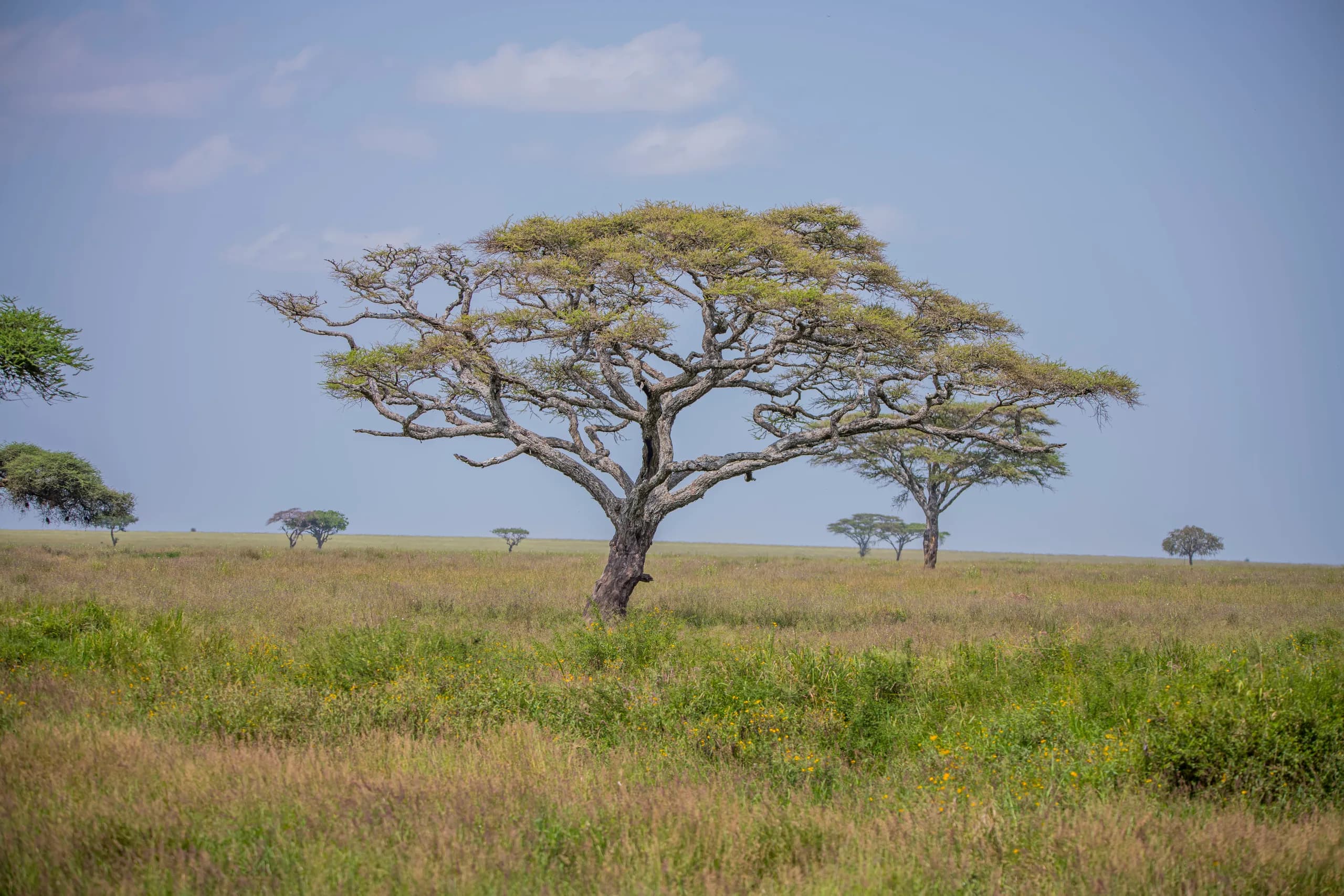
Common questions
Tarangire National Park, answered directly
It's normally worth at least one night — the elephant density along the river in dry season is genuinely higher than almost anywhere else on the northern circuit, and it's easy to underestimate on a single afternoon.
June to October, as the dry season pushes herds from the surrounding dispersal areas toward the river, the park's only reliable water source for that stretch of the year.
It's the natural first or last stop on a northern-circuit route — close enough to Arusha for an easy transfer, and on the direct road route toward Lake Manyara, the Ngorongoro Crater and the Serengeti beyond it.