


Tanzania · National Park
Serengeti National Park
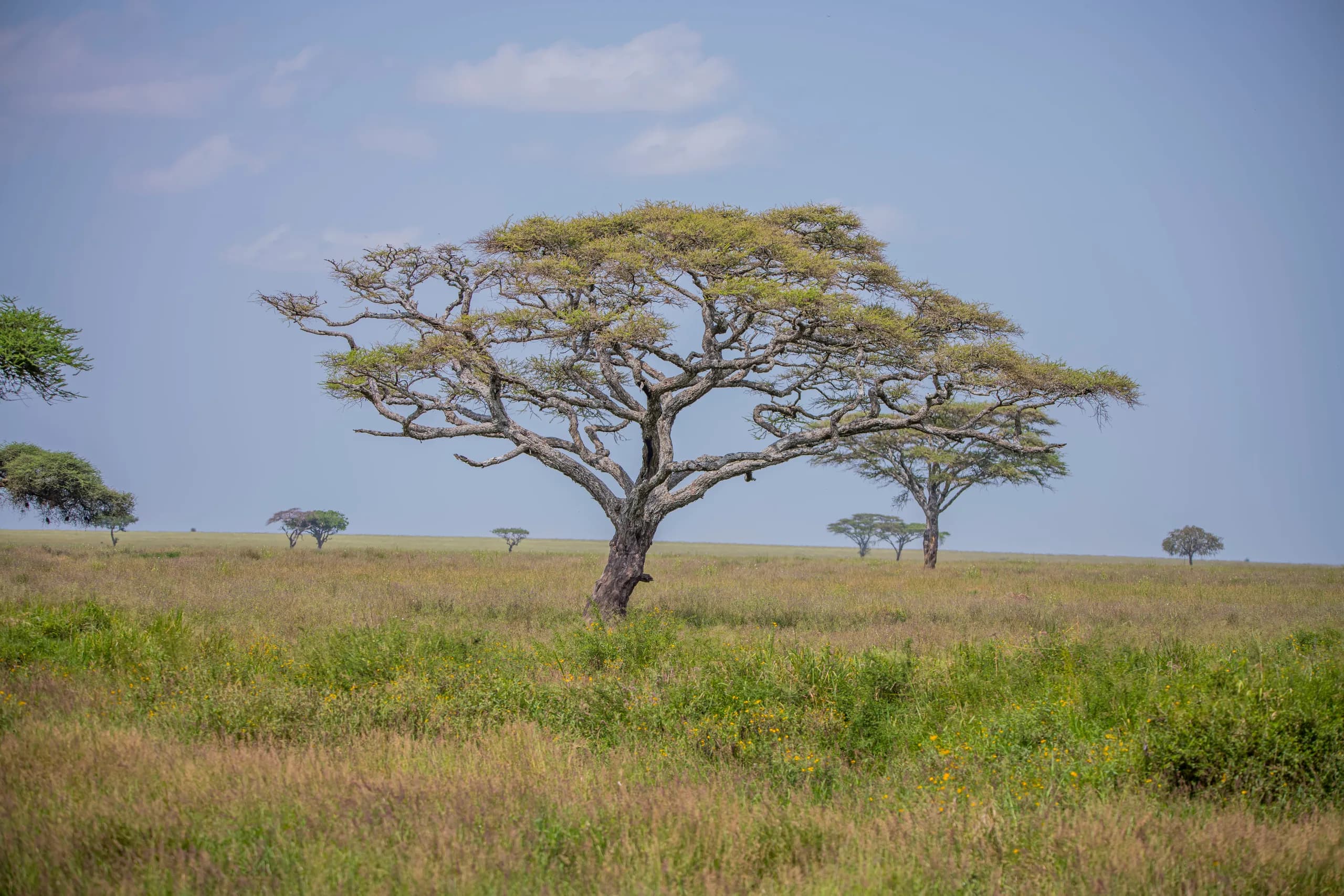
Fourteen thousand square kilometres of grassland holding the highest predator density in Africa — and the stage for the largest land migration left on earth.
Overview
What Serengeti National Park is actually like
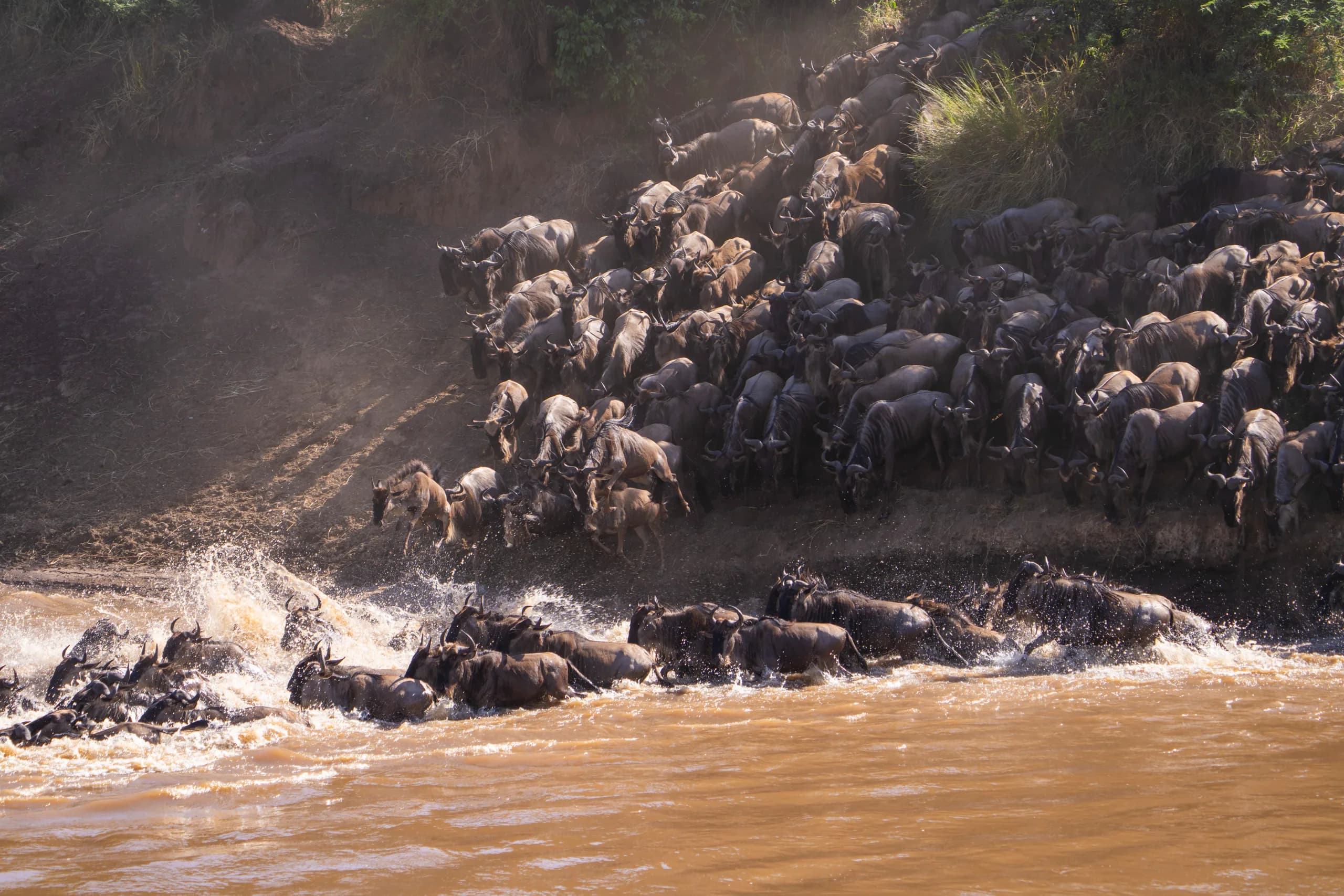
The Serengeti is Tanzania's best-known park for a reason: an unbroken plain running from the Ngorongoro highlands to the Kenyan border, crossed each year by roughly two million wildebeest and zebra following the rain. UNESCO lists it as a World Heritage Site, and it forms the Tanzanian half of the wider Serengeti–Mara ecosystem that continues north into Kenya's Maasai Mara.
Because the park is so large, where you stay changes what you see. The central Seronera valley holds resident game year-round and is the most reliable base in any month. The northern Kogatende sector and the southern Ndutu plains only make sense at specific times of year, tied to the migration's own route.
Wildlife and experiences
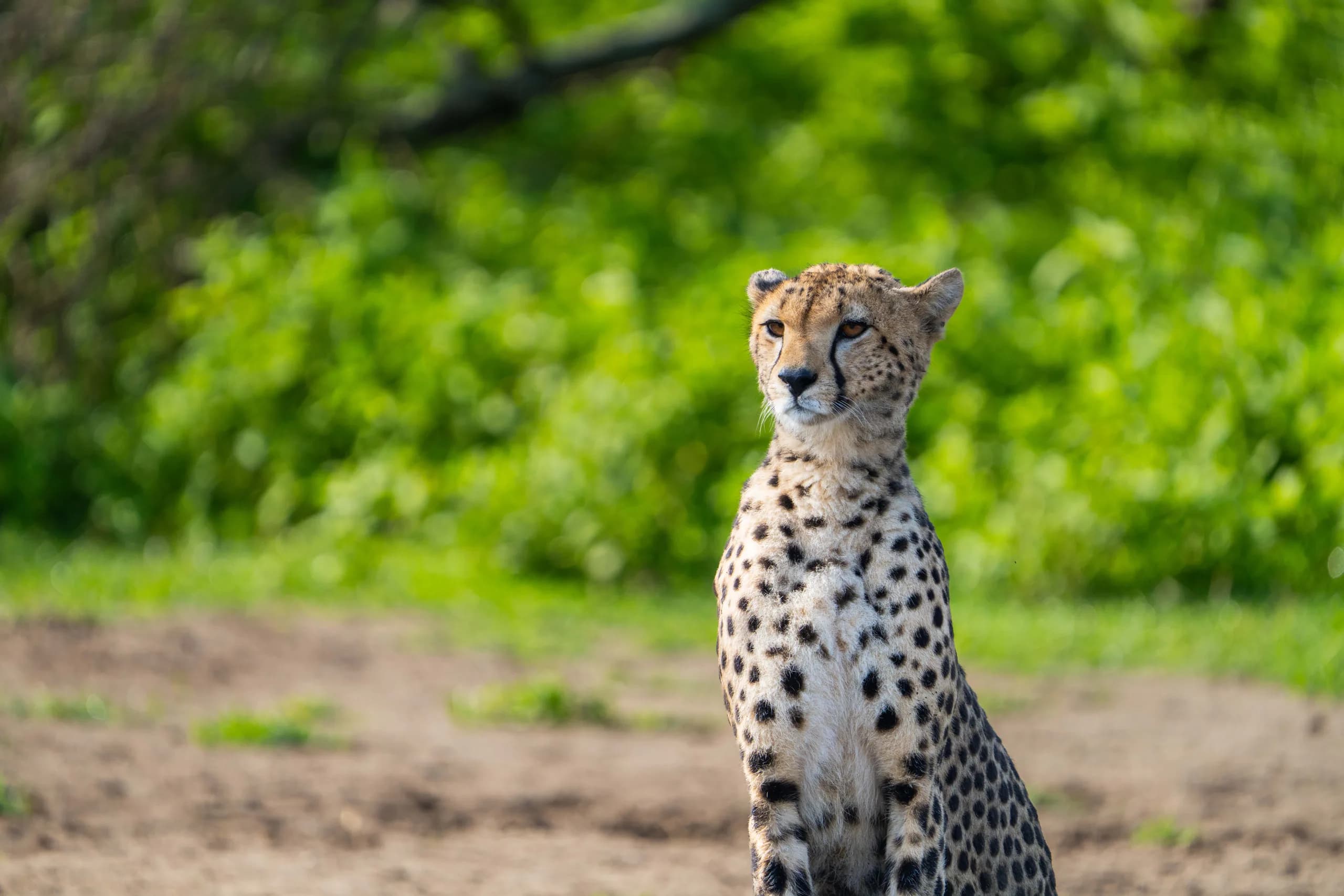
All of Africa's Big Five are present, though rhino sightings are rare and mostly confined to the Moru Kopjes area. Lion, leopard and cheetah are unusually easy to find given the open terrain, and the resident herds of buffalo, giraffe, and topi hold steady whether or not the migration is passing through.
Best time to visit
The Serengeti works in any month, but what you come for decides when. The Mara River crossings run July to October in the north; the Ndutu calving season, with predators following newborn wildebeest, runs January to March in the south. The long rains (April–May) are quiet and cheap, with resident game still findable around Seronera.
Suggested duration
Three nights is enough to get a genuine feel for one sector; itineraries covering the wider migration route usually spend four to five nights split across two camps.
Itineraries through Serengeti National Park
All tours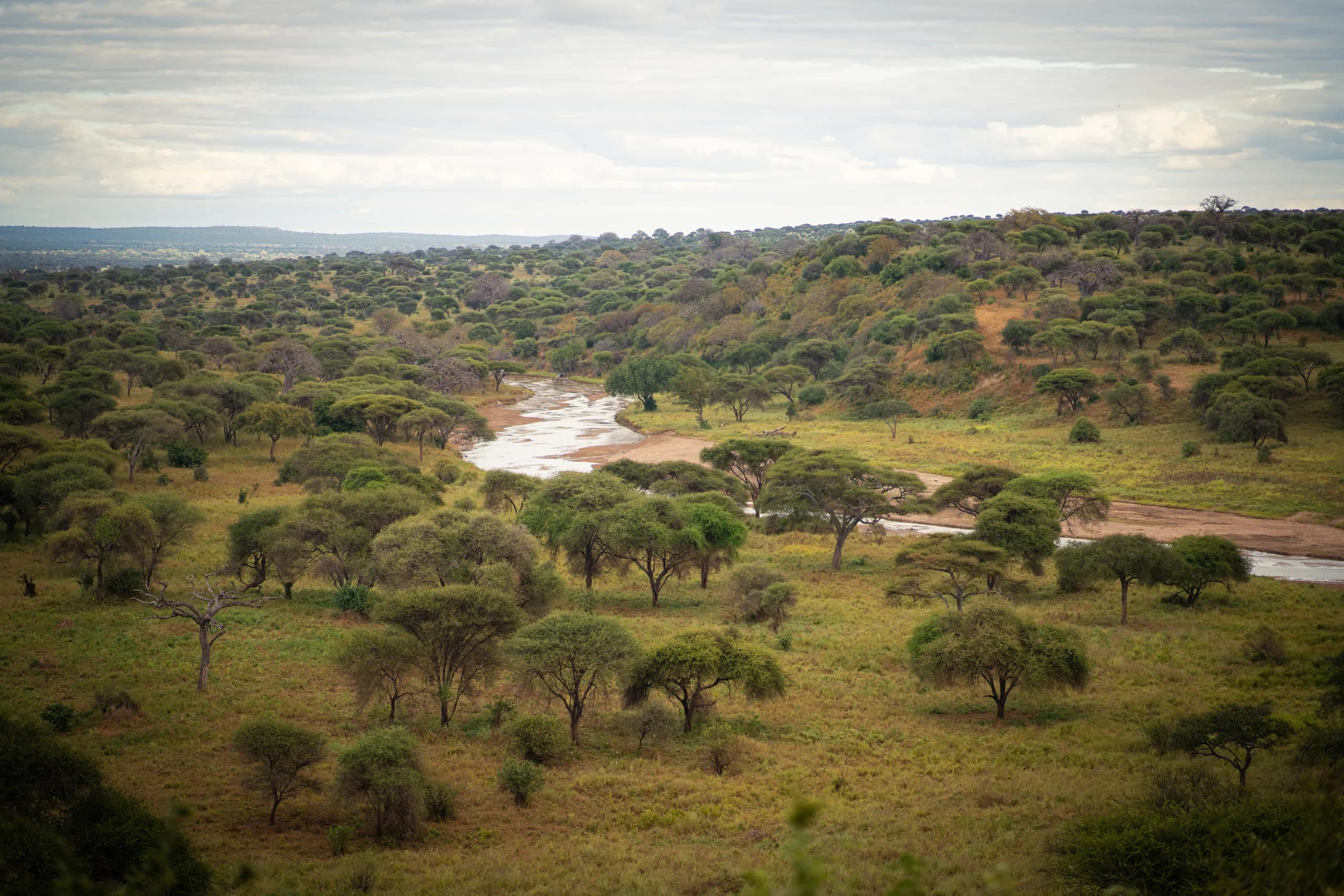
Common questions
Serengeti National Park, answered directly
Yes — the migration is a two-million-animal river that moves through different parts of the ecosystem all year, and Seronera's resident lion prides, leopards and year-round game hold up regardless of where the herds currently are.
Three nights in one sector gives a real sense of the park; if the plan is to follow the migration's own movement across two sectors, budget four to five nights split across two camps.
Almost every private itinerary through northern Tanzania does — the crater rim is a half-day's drive from Seronera and is usually the last stop before flying out of Arusha.