


Destination
Kenya
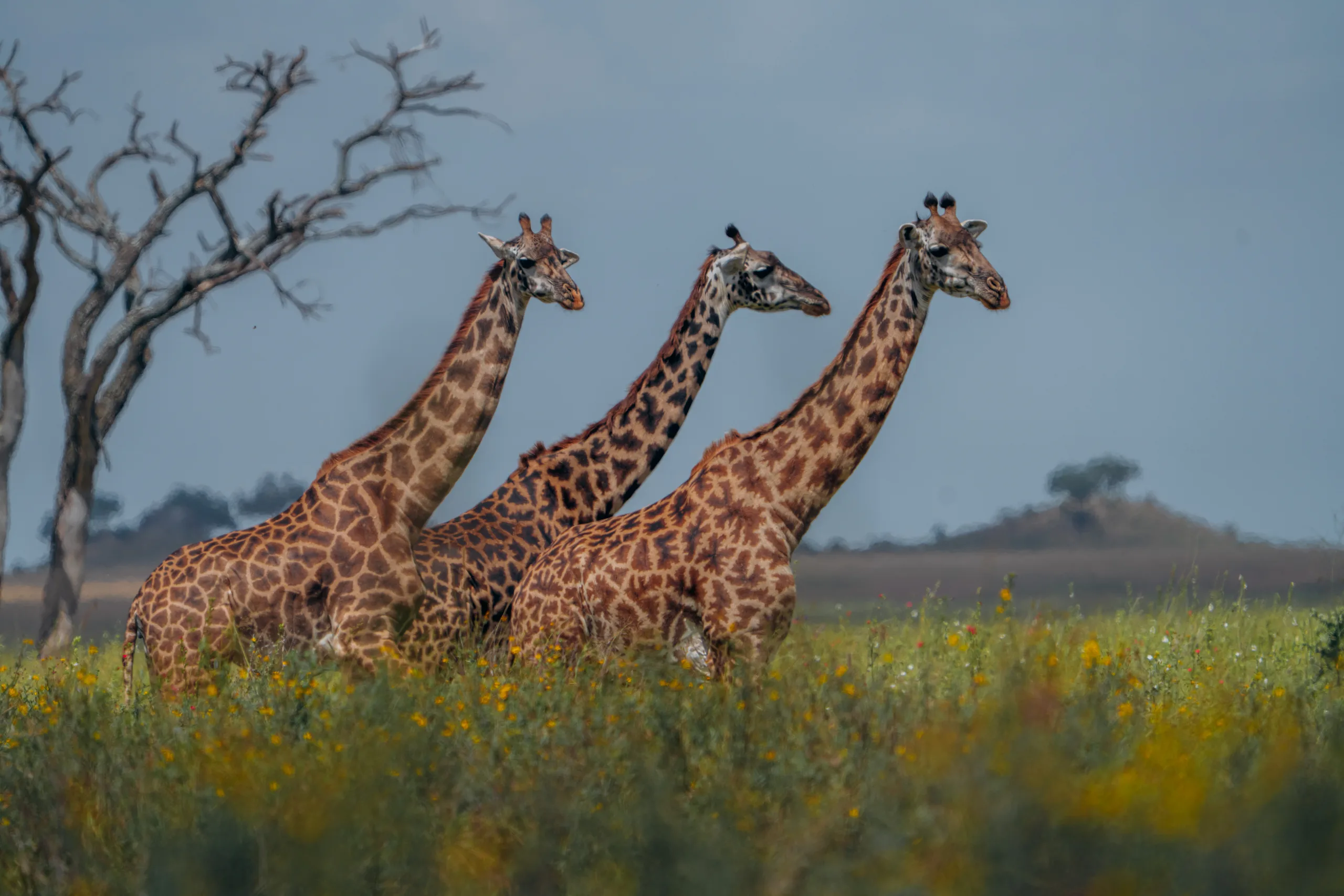
Short distances, enormous skies, and the northern half of the same ecosystem the Serengeti sits in. Kenya rewards a fortnight and forgives a week.
Where to go
Six places worth the drive
Maasai Mara National Reserve
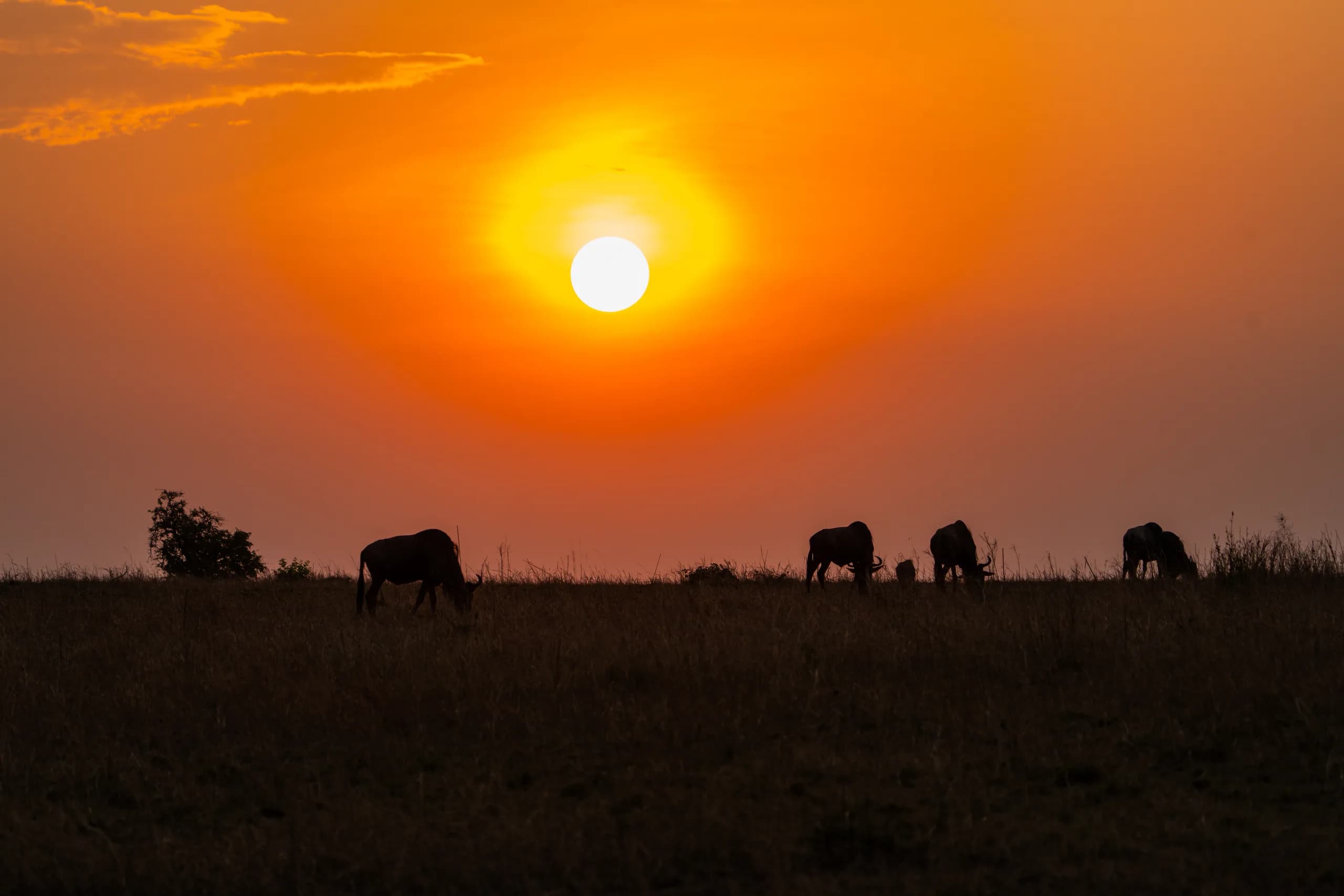
The northern quarter of the Serengeti ecosystem, and the densest big-cat country in Africa. The conservancies bordering it allow night drives and walking, which the reserve itself does not.
Best: Jul – Oct for the crossings
Samburu and Buffalo Springs
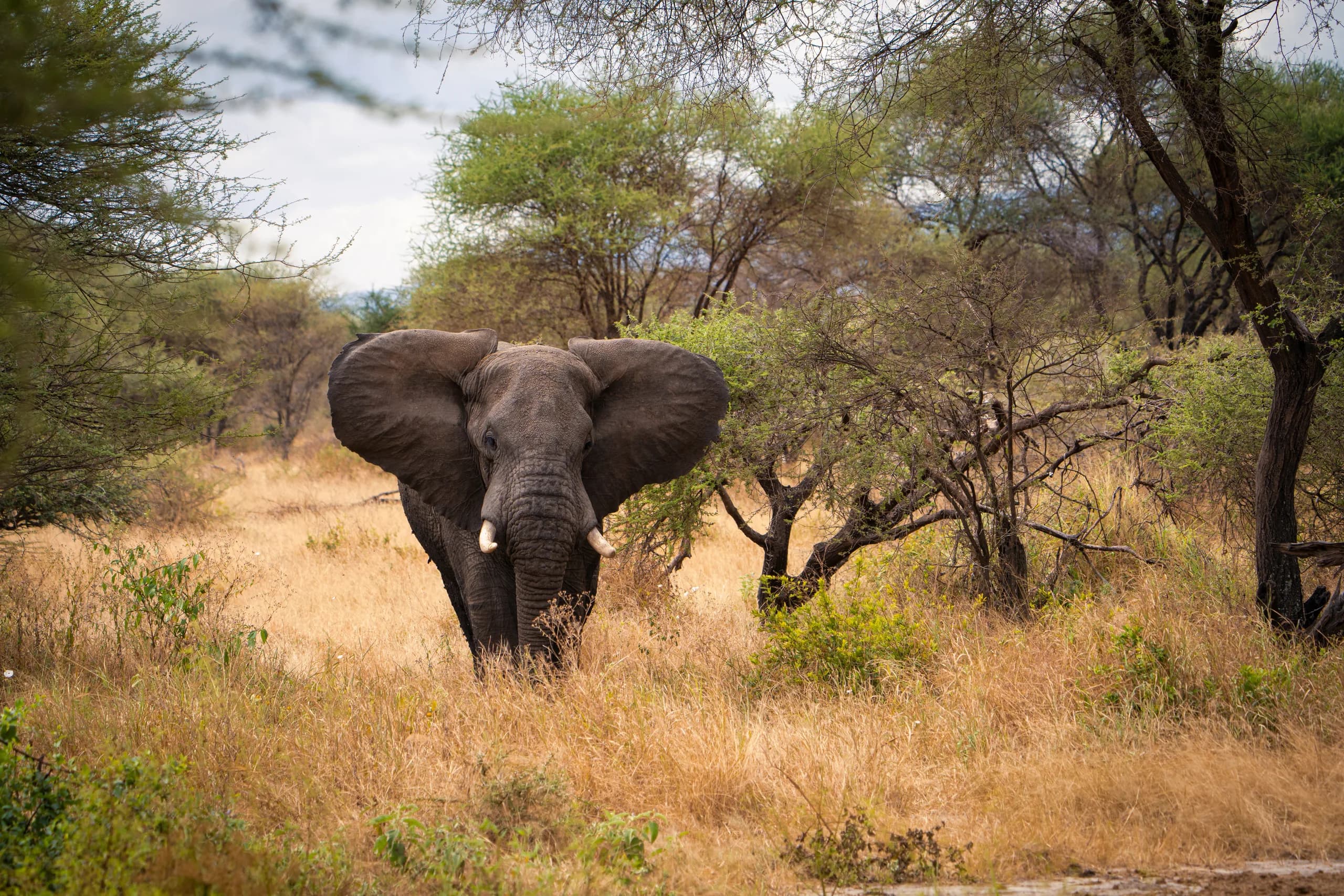
North of the equator and drier, with five species you will not see further south — Grevy's zebra, reticulated giraffe, gerenuk, beisa oryx and Somali ostrich.
Best: Jun – Oct
Laikipia conservancies
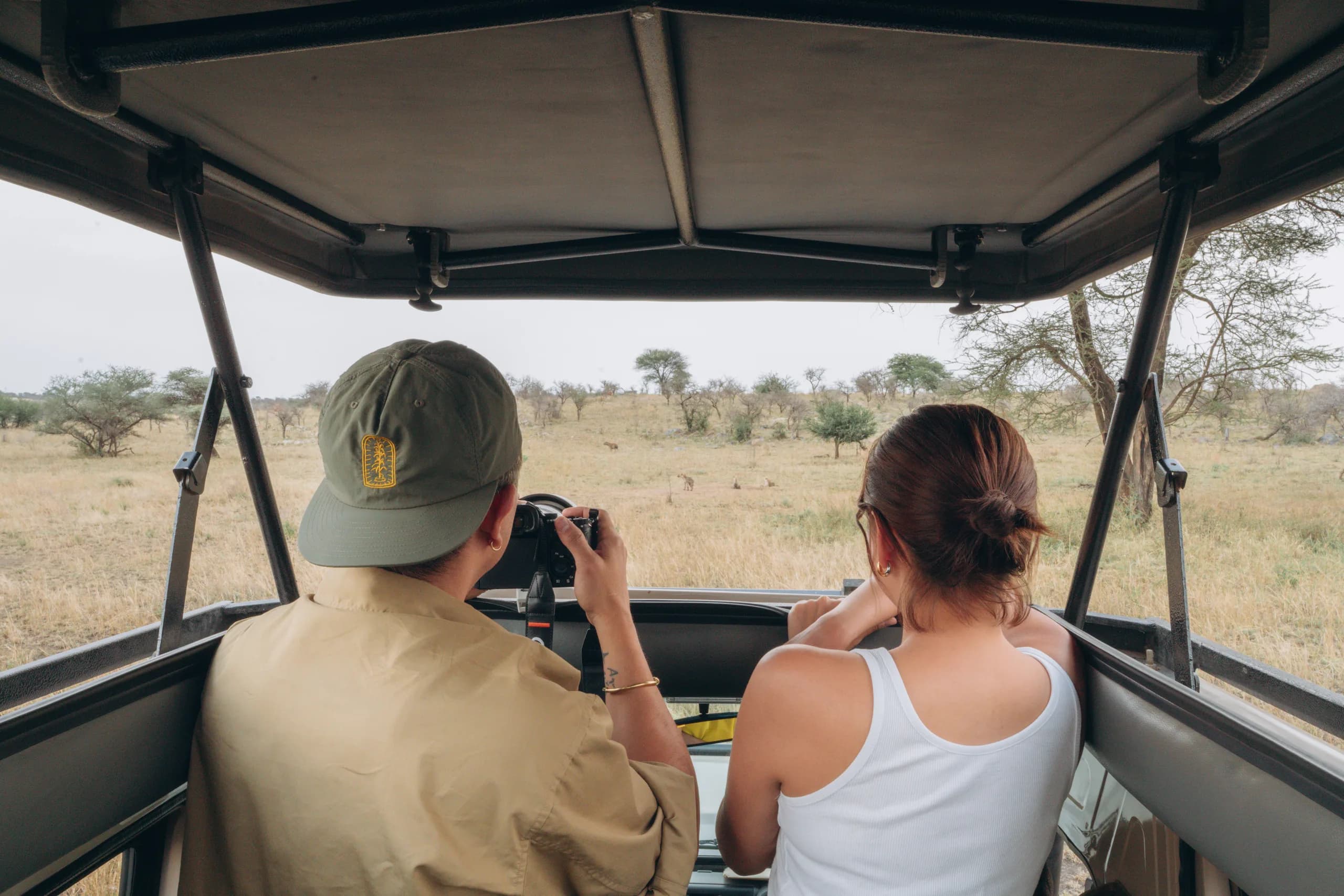
Private land north of Mount Kenya, where rhino conservation is funded by tourism. Horseback, walking and night drives are all permitted; vehicle numbers are capped.
Best: Year-round
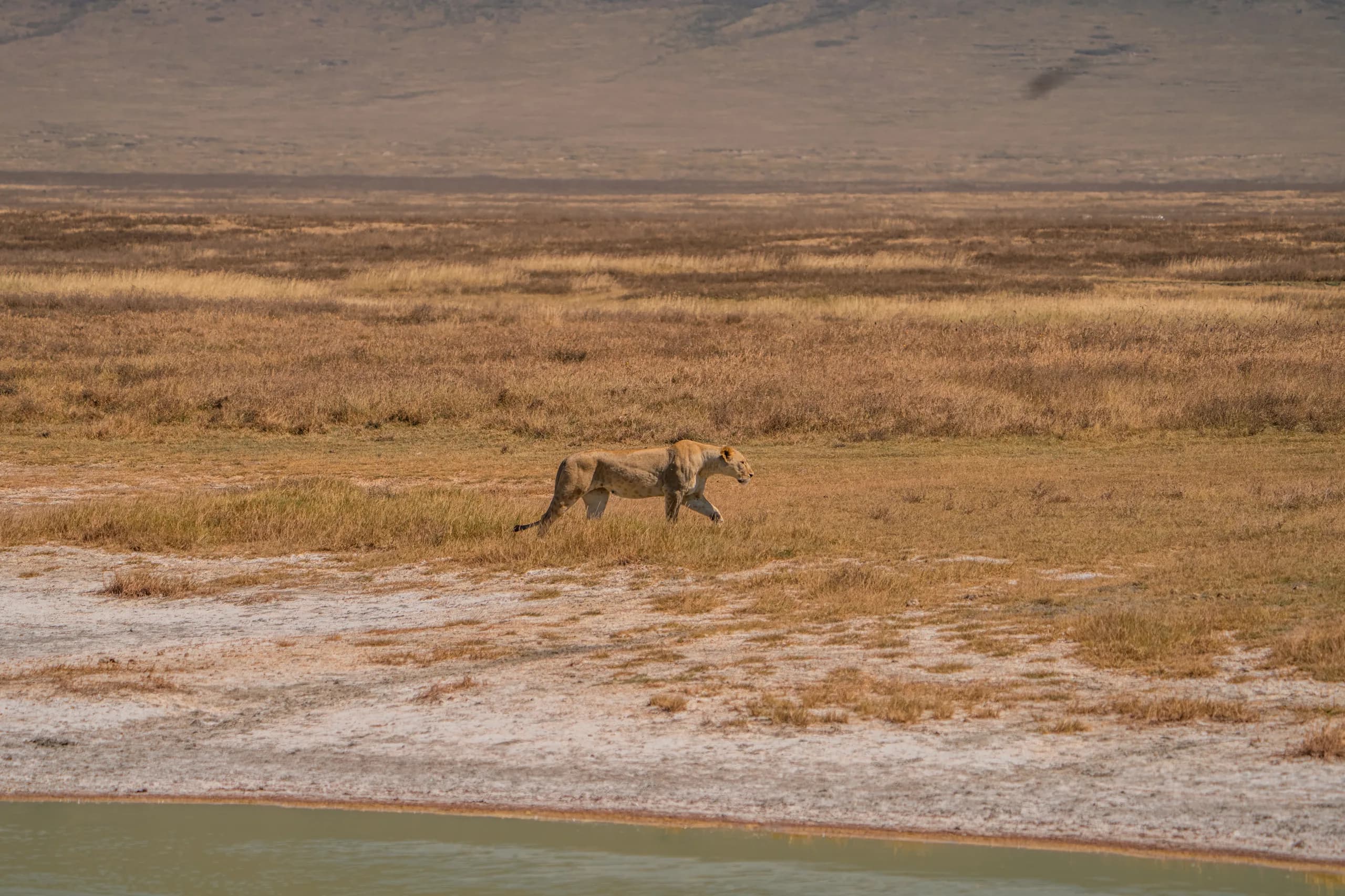
Lake Nakuru and Naivasha
A convenient pair of Rift Valley lakes two hours from Nairobi. Nakuru is fenced and holds both rhino species; Naivasha adds boat trips and Crescent Island on foot.
Best: Year-round
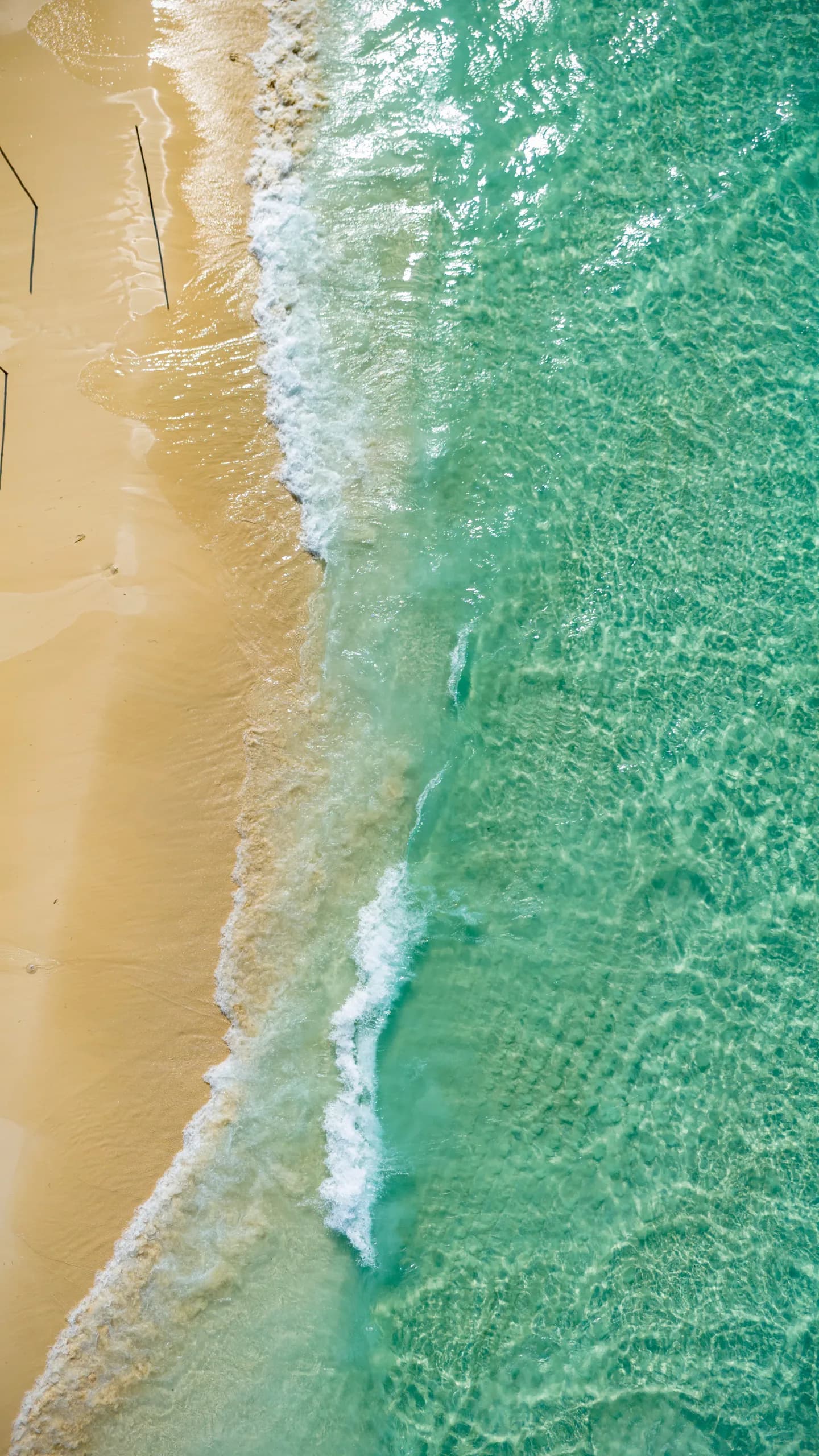
Diani and Lamu
The Kenyan coast for the end of a safari: Diani for reliable beach comfort, Lamu for a Swahili town with no cars in it.
Best: Dec – Mar, Jul – Oct
More to explore
Further afield in Kenya
When to travel
There is no bad month, only trade-offs
The dry season concentrates animals at water and fills the camps. The green season empties the parks of vehicles, drops prices by a third, and asks you to accept afternoon rain.
If a month does not suit what you want to see, we will tell you before you book rather than after.
Jan – Mar
Short dry season
Hot, clear and comparatively quiet. Excellent for Amboseli and Samburu, and the best light of the year for photography.
Apr – May
Long rains
The greenest and cheapest months. Some conservancy camps close; the Mara stays open and nearly empty of vehicles.
Jun – Oct
Long dry, peak season
The migration reaches the Mara from July. Camps and conservancies book out nine to twelve months ahead for this window.
Nov – Dec
Short rains
Brief afternoon storms, resident game undisturbed, and good value until the Christmas fortnight lifts rates again.
Kenya itineraries
All tours
Practical
Before you fly
Getting there
Nairobi's JKIA takes the long-haul flights; Wilson, twenty minutes away, handles the light aircraft to the Mara and Samburu.
Visas
Kenya requires an electronic travel authorisation applied for before departure, currently $34. There is no visa on arrival.
Health
Yellow fever certificate if arriving from an endemic country. Malaria prophylaxis for the Mara, coast and Samburu.
Money
Shillings for markets, dollars and card everywhere else. M-Pesa is used for almost everything locally.
What to pack
Neutral layers, a fleece for Mara mornings, and soft luggage under 15kg for the internal flights.
Conservancy fees
Conservancy beds carry a nightly conservation levy of $70 – $110. It is included in every price we quote.