

Photography · 8 min read
Photographing the crater at first light
Beanbags over tripods, why the 6am gate matters, and the two hours when the caldera holds usable light.
Emanuel Laizer · October 2025
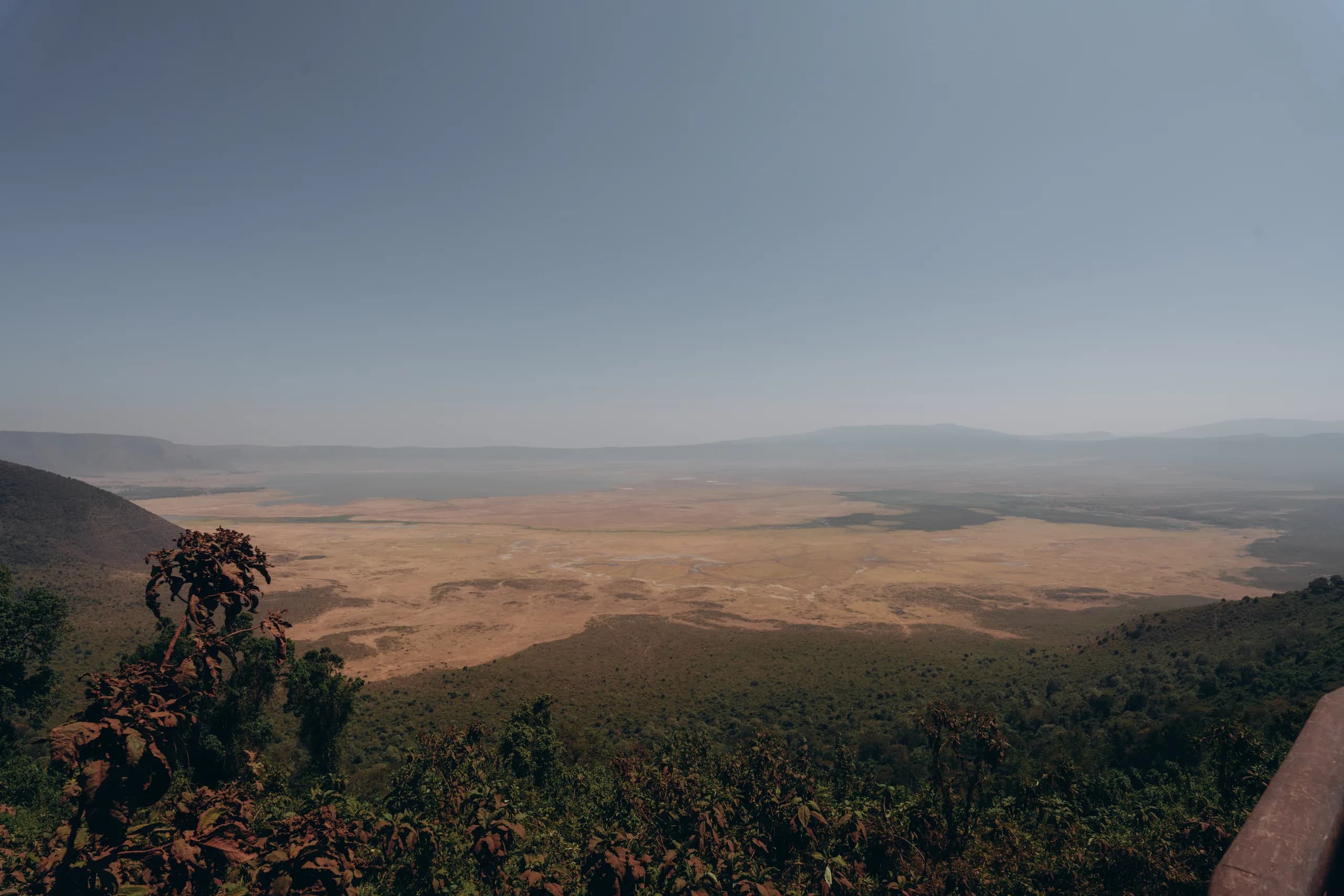
Ngorongoro Crater holds usable light for roughly two hours after the gate opens, before the sun climbs high enough to flatten the shadows that make the floor's animals and terrain readable in a photograph.
Why the 6am gate matters
The descent road takes twenty to thirty minutes; vehicles that enter at the first gate opening reach the crater floor while the light is still low and warm. Arrive an hour later and you are photographing the same animals in flat midday light, or the crowds that arrive with the later gate traffic.
Beanbags over tripods
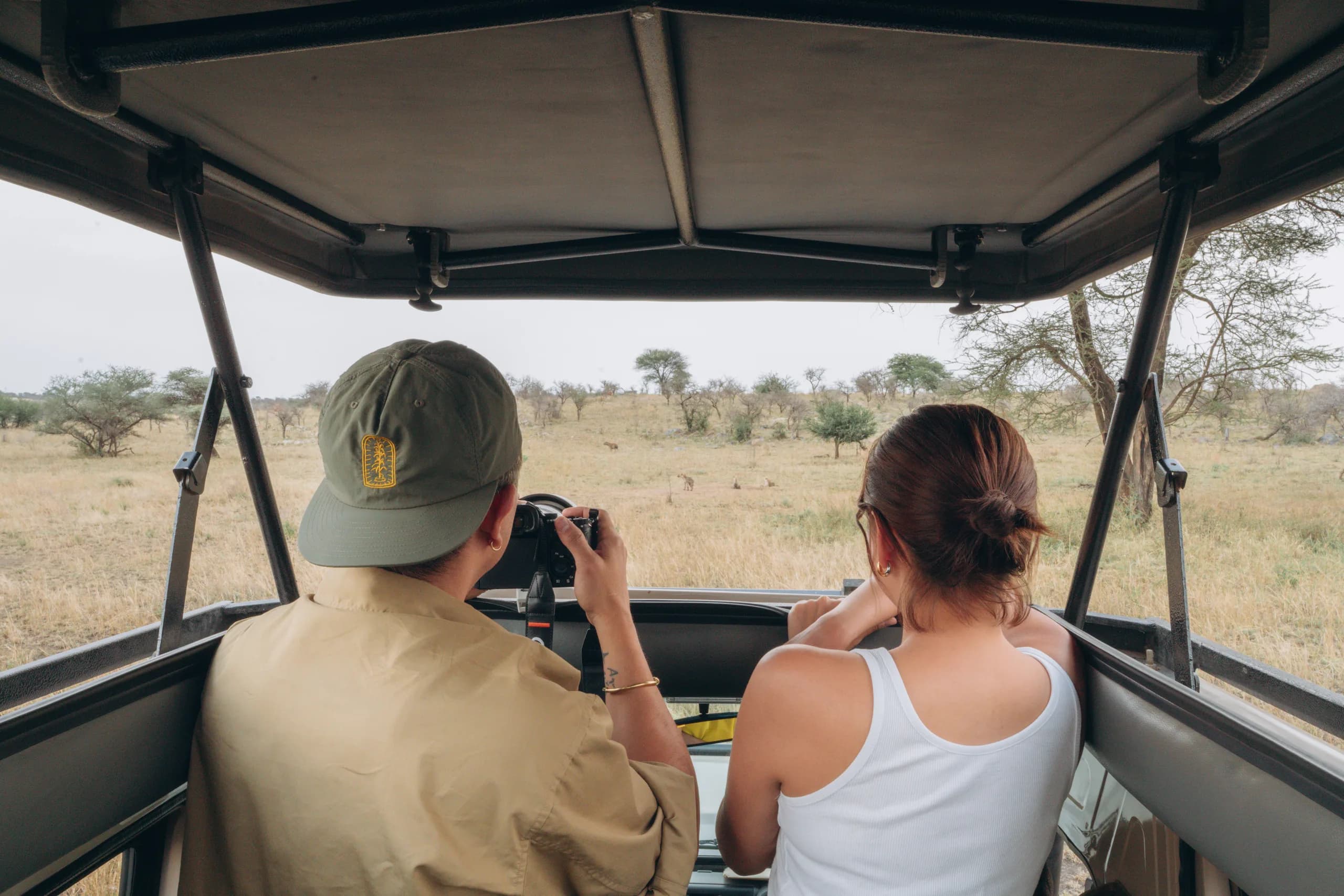
A tripod is impractical from a moving or idling vehicle with other guests aboard. A beanbag resting on the window frame or roof hatch gives a stable base you can reposition in seconds, which matters when a sighting only holds still for a moment.
What the two hours actually look like
- First 30 minutes: low, warm side-light — best for texture on the crater grass and animal coats
- 30–90 minutes: the classic crater-floor light most photographs are taken in
- 90–120 minutes: light starting to flatten; a good window for portraits rather than landscapes
The crater does not reward patience the way the plains do — it rewards being at the right gate, in the right vehicle position, before the light changes.
Bring a longer lens than you think you need; the crater floor's distances are larger than they appear from the rim, and much of the resident wildlife keeps a comfortable distance from vehicles even on a quiet morning.
Portrait of a guide
Emanuel Laizer
Founder and head guide
Twenty-two years guiding the northern circuit. Knows the Seronera leopards by sight and by territory.
Related reading
Begin your journey
Planning a trip?
A guide replies within one working day with a draft route and honest pricing.